Testosterone naturally declines with age — roughly 1% per year starting in a man's 30s, according to widely cited clinical understanding of male aging. That doesn't mean nothing can be done about it. While no lifestyle change or supplement can reverse the clock, a number of well-supported daily habits can help support healthy testosterone levels within a normal range as you get older. This guide walks through the habits that matter most.
Why Testosterone Naturally Declines
Age-related testosterone decline is a normal, gradual biological process, not a disease in itself. It's driven by a combination of factors: reduced production capacity in the testes, changes in the hypothalamic-pituitary-gonadal axis that regulates hormone signaling, and lifestyle factors that compound with age — reduced muscle mass, increased body fat, poorer sleep quality, and higher chronic stress. The good news is that several of these compounding factors are modifiable.
Sleep: The Most Overlooked Factor
Most of a man's daily testosterone production happens during sleep, particularly during REM cycles. Men who consistently sleep less than 5-6 hours a night tend to show measurably lower testosterone levels than those getting 7-8 hours, based on sleep-endocrinology research. If you improve nothing else on this list, prioritizing consistent, adequate sleep is likely to have the biggest impact of any single habit.
Practical steps: keep a consistent sleep and wake time (even on weekends), limit screen exposure in the hour before bed, keep the bedroom cool and dark, and avoid alcohol close to bedtime, since it disrupts REM sleep even when it initially feels sedating.
Strength Training
Resistance training — particularly compound, multi-joint movements like squats, deadlifts, and presses — is one of the more consistently supported lifestyle interventions associated with healthy testosterone levels in men. It's not about becoming a competitive lifter; even two to three sessions a week focused on major muscle groups appears to provide meaningful benefit compared to a sedentary lifestyle.
Excessive endurance training without adequate recovery, on the other hand, has sometimes been associated with the opposite effect — so balance matters more than volume alone.
Diet & Key Nutrients
A few nutrients show up repeatedly in testosterone-related nutrition research: zinc, Vitamin D3, and adequate dietary fat (particularly monounsaturated and saturated fats within a balanced diet, since testosterone is synthesized from cholesterol). Chronic very-low-fat diets have sometimes been associated with lower testosterone levels in observational research.
Practical steps: include zinc-rich foods like lean red meat, shellfish, and pumpkin seeds; get regular sun exposure or consider a Vitamin D3 supplement, especially in winter months or northern climates; and avoid extremely low-fat diets in favor of a balanced macronutrient approach.
Stress Management
Chronic stress elevates cortisol, and cortisol and testosterone have an inverse relationship — persistently high cortisol is associated with suppressed testosterone production. This is one of the reasons adaptogenic herbs like ashwagandha have drawn research interest in this space; they're generally understood to support the body's normal stress response rather than directly raising testosterone themselves.
Practical steps: build in daily stress-reduction practices that actually fit your life — that might be a short walk, breathing exercises, time outdoors, or simply protecting a buffer between work and sleep. Consistency matters more than the specific method.
Body Composition
Excess body fat, particularly visceral fat around the abdomen, is associated with increased aromatase activity — the enzymatic process that converts testosterone into estrogen. This creates something of a feedback loop: lower testosterone can make fat loss harder, and higher body fat can further suppress testosterone. Breaking that cycle through gradual, sustainable fat loss (rather than crash dieting, which itself can suppress testosterone) tends to be one of the more impactful long-term strategies.
No single habit on this list works in isolation. Sleep, training, diet, and stress management reinforce each other — which is part of why consistency across all of them tends to outperform intensity in just one area.
When to See a Doctor
If you're experiencing persistent fatigue, low libido, mood changes, or other symptoms that feel disproportionate to normal aging, it's worth getting actual bloodwork done rather than guessing. Diagnosed low testosterone (hypogonadism) is a real medical condition with established treatment options, and no lifestyle habit or supplement is a substitute for proper diagnosis and, where appropriate, medical treatment.
Setting Realistic Timelines for Each Habit
One reason natural approaches to testosterone support get dismissed is a mismatch between expectations and biology. Sleep changes can show up in how you feel within a week or two, since sleep debt has a fairly immediate effect on daytime energy and mood. Strength training is slower — most men need six to eight weeks of consistent training before they notice a meaningful shift in strength or body composition, and any hormonal benefit tends to track alongside those physical changes rather than arriving first.
Dietary changes sit somewhere in between: cutting back on ultra-processed food and increasing protein and healthy fat intake can improve energy within a couple of weeks, but the deeper metabolic and hormonal benefits of sustained dietary change generally take two to three months to fully show up. Stress management is the least linear of the group — some men notice a difference within days of adding a consistent wind-down routine, while for others it takes weeks of consistent practice before cortisol-related symptoms visibly improve.
Common Mistakes That Undermine Progress
A few patterns show up repeatedly in men trying to improve testosterone-related habits without much success. The first is chasing intensity over consistency — an aggressive new workout program for two weeks followed by burnout, rather than a moderate, sustainable routine maintained for months. The second is treating sleep as flexible while treating diet and training as fixed, when in reality sleep is often the higher-leverage habit of the three.
The third mistake is expecting a single change — often a supplement — to compensate for poor sleep, chronic stress, and a sedentary lifestyle all at once. No ingredient, however well-researched, is likely to offset the combined effect of those three foundational issues. Natural testosterone support tends to work best as a layered approach: fix the foundational habits first, and let targeted nutritional support play a complementary role rather than the leading one.
Putting It All Together
None of these habits requires perfection, and trying to nail all five at once is usually a recipe for burnout within a month. A more sustainable approach is picking the single habit from this guide that feels most obviously broken in your current routine — often sleep — and giving it focused attention for three to four weeks before layering in the next one. Testosterone support, like most things related to long-term health, rewards patience and consistency far more than intensity.
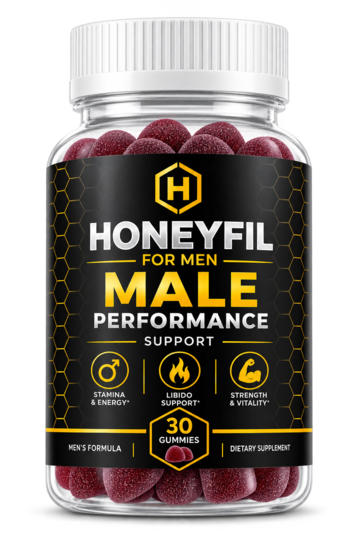
Pair Healthy Habits With Natural Support
HoneyFil is formulated to complement — not replace — the habits covered in this guide.
View HoneyFil PackagesFrequently Asked Questions
Does ashwagandha help testosterone?
Ashwagandha is primarily understood to support the body's normal stress response, which is linked to healthier cortisol levels. Since cortisol and testosterone have an inverse relationship, supporting a healthy stress response is one indirect pathway ashwagandha may play a supportive role in.
How long until natural habits show an effect?
Sleep improvements can show benefits within weeks, while training, diet, and body composition changes typically take 60-90+ days of consistency to produce noticeable results.
What ingredients support healthy testosterone naturally?
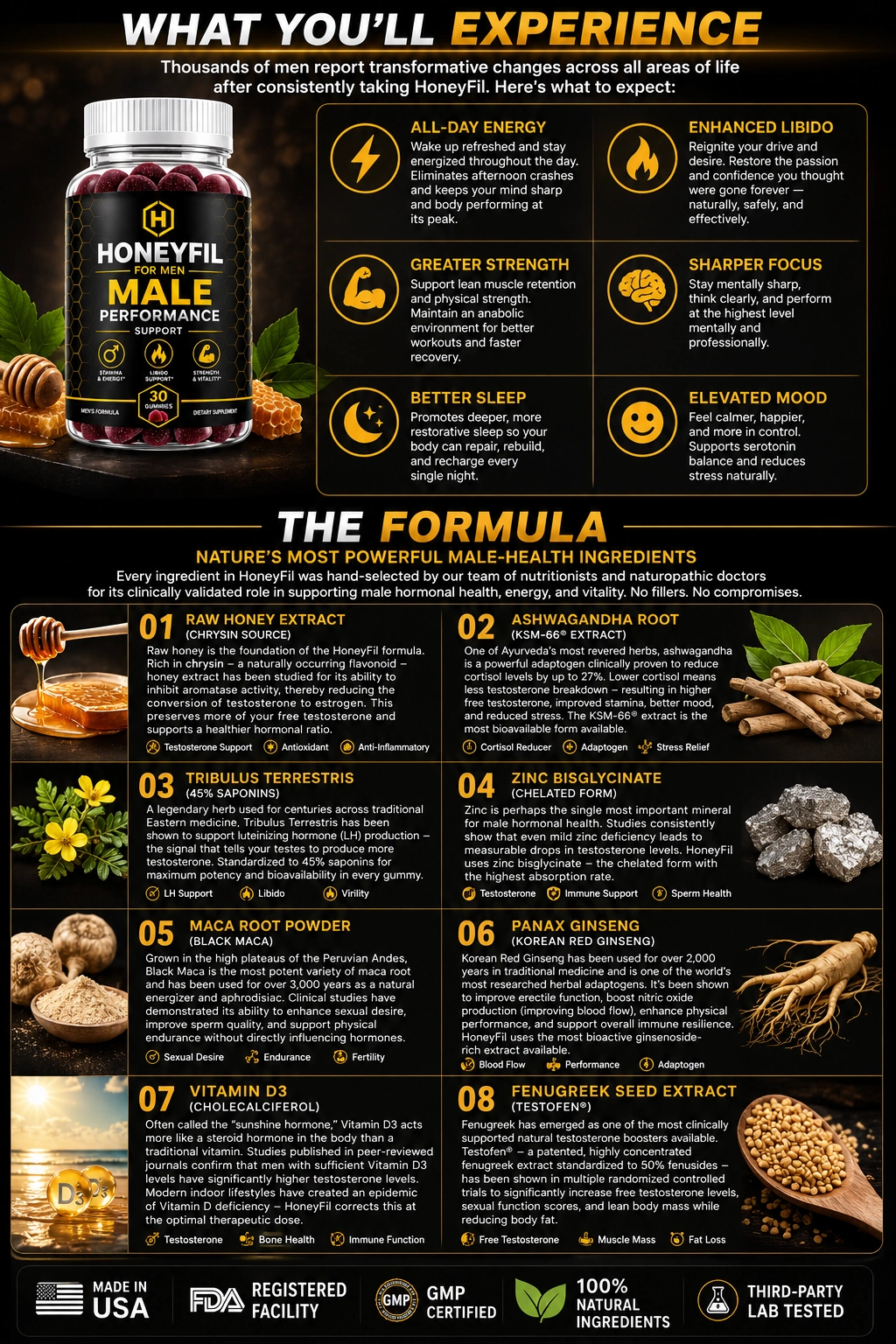
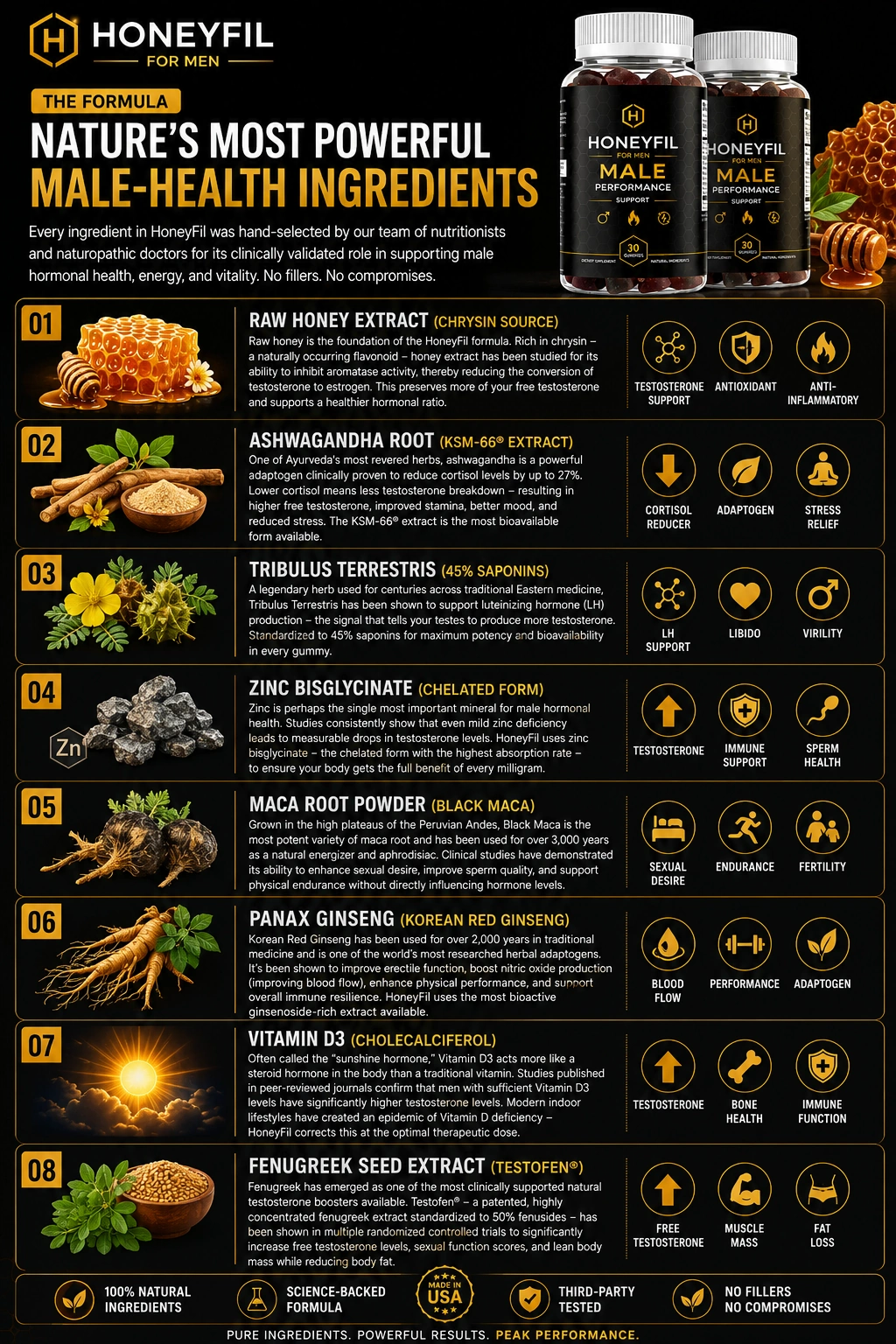
Zinc, Vitamin D3, ashwagandha, and fenugreek extract are among the more commonly discussed natural ingredients in this context, alongside foundational habits like sleep, resistance training, and stress management.